The Arc Is the Point
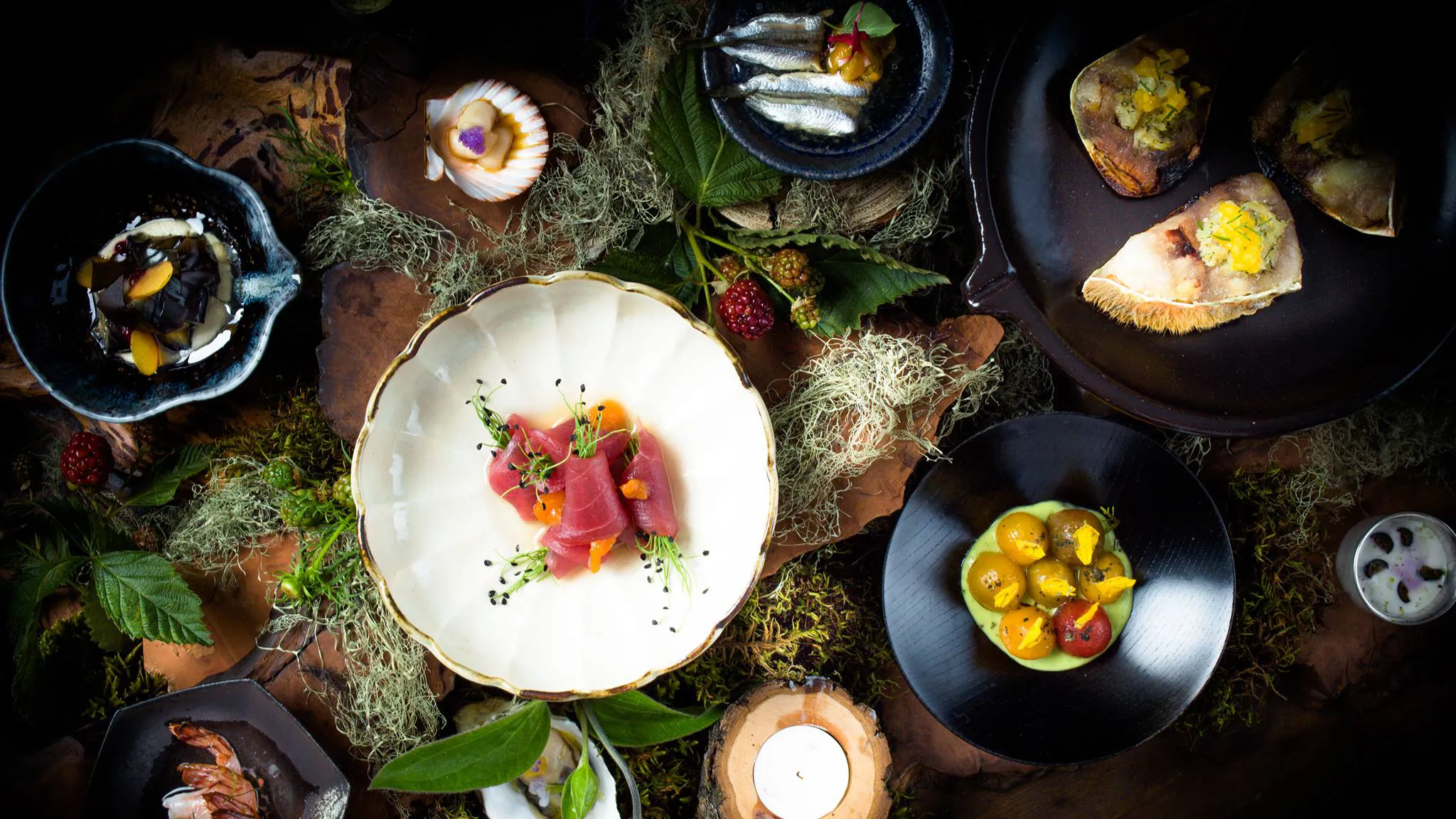
A tasting menu works the way it does because someone thought about the shape of the whole experience before designing any of the individual moments inside it.
The third course makes sense because of what the second course established. The palate cleanser lands because of the richness preceding it. The final dessert carries weight because of everything that built toward it. No dish was designed in isolation. Each one was designed in relation to what came before and what follows, and the cumulative effect of that sequencing is what a tasting menu actually is.
Most restaurant brands are not built this way. The menu is designed. The interior is designed. A logo is commissioned. An Instagram account goes up. A website follows. These things exist in parallel, not in sequence, and nobody has ever asked what the arc of the whole experience should feel like, or whether an arc was even possible given how the decisions were assembled.
The result is a set of individually considered touchpoints that do not add up to an experience. They add up to a series of interactions. The guest moves through them and feels nothing that compounds.
The Moments Most Brands Ignore
The booking confirmation is the first real test, and almost everyone fails it.
A restaurant can have a beautifully designed interior, a considered menu, and genuine service quality. Then send a booking confirmation that reads like it was generated by a reservation platform, because it was. Generic subject line. Placeholder language. No warmth, no specificity, no signal that this particular restaurant at this particular level of hospitality was expecting this particular guest.
That confirmation is a brand touchpoint. It arrives before the guest walks through the door. It either adds to the emotional preparation for the experience or it introduces a tiny, low-grade doubt about whether what was promised is going to materialize. Most brands choose neither option consciously. They just use the default.
The arrival sequence is the second test. The thirty seconds between a guest walking in and being seated communicates more about the brand than any amount of visual identity work. Whether the host appears genuinely prepared for this specific arrival or simply for the next booking in the queue. Whether the atmosphere in those first moments confirms or slightly undercuts the expectation built up by everything the guest encountered before arriving.
The check is the third and most squandered test. A genuinely excellent meal that closes with a generic printed slip in a generic folio, followed by a silence that signals transaction completion, does not send the guest home as an advocate. The last note of the sequence has to land with the same care as the last course.
These three moments, booking, arrival, close, are the ones I look at first when working with any F&B brand. They are almost never designed with the same attention as the food. They are almost always where the arc breaks.
What Sequencing Requires
Thinking about your brand as a sequence rather than a set of touchpoints requires one foundational thing: a clear central idea that each touchpoint serves.
A tasting menu has a culinary philosophy. Every course is in its position because the chef has a thesis about progression: weight, acidity, temperature, emotional register. The thesis determines which dishes belong and which do not, what comes first and what resolves the whole.
A restaurant brand needs the equivalent. A positioning specific and complete enough to determine what the booking experience sounds like, how the greeting feels, what the menu copy should and should not say, what the check moment should leave the guest with. When that positioning exists, the arc is not a creative project. It is an application exercise. You are just making sure each moment does its part in a sequence that has already been designed.
When it does not exist, every touchpoint is designed by whoever is responsible for that specific thing: the designer for the interior, the copywriter for the menu, the host who was briefed on procedure but not on brand. The results are individually fine and collectively incoherent.
The Standard the Best Concepts Set
The F&B brands with the most durable followings have sequenced experiences. You can feel it. Each interaction prepares you for the next one. The arc has a shape. You arrive with an expectation, the experience confirms and deepens it, and you leave with something you did not have when you walked in: a relationship with the brand, not just a memory of a meal.
Sweetgreen built a sequence around a lifestyle idea before it built a salad. Joe and the Juice built a sequence around an atmosphere and a kind of person before it built a menu. The booking, the entrance, the interaction with staff, the music, the way the food arrives, all of it serves the same idea. Guests who visit regularly feel the coherence even if they could not articulate it, and that coherence is what makes them loyal rather than just satisfied.
Satisfied guests leave. Loyal guests come back and bring people.
The sequence is what turns one into the other.
How CreativeCo Works With F&B Brands
We help restaurant founders and hospitality operators design brand experiences that have an arc, not just a visual identity. Strategy, verbal identity, and a guest journey framework that takes your audience from the moment they discover you to the moment they leave, as a single coherent experience designed around one clear idea.
If your brand is not generating the loyalty it should, let's talk.

Elisabetta Fanelli
CEO & Founder, CreativeCo.
7 min Read