
A Specific Kind of Forgetting
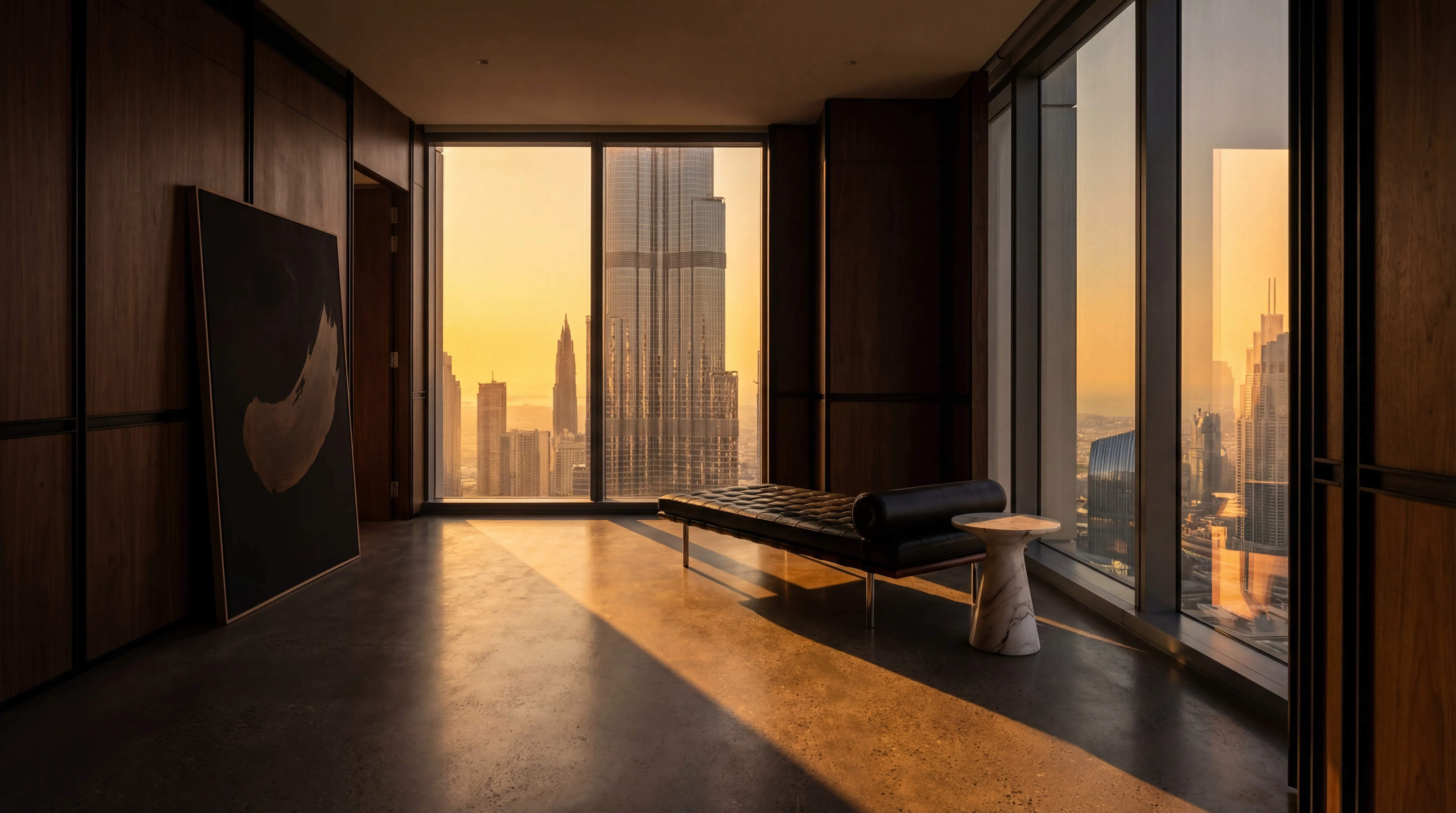
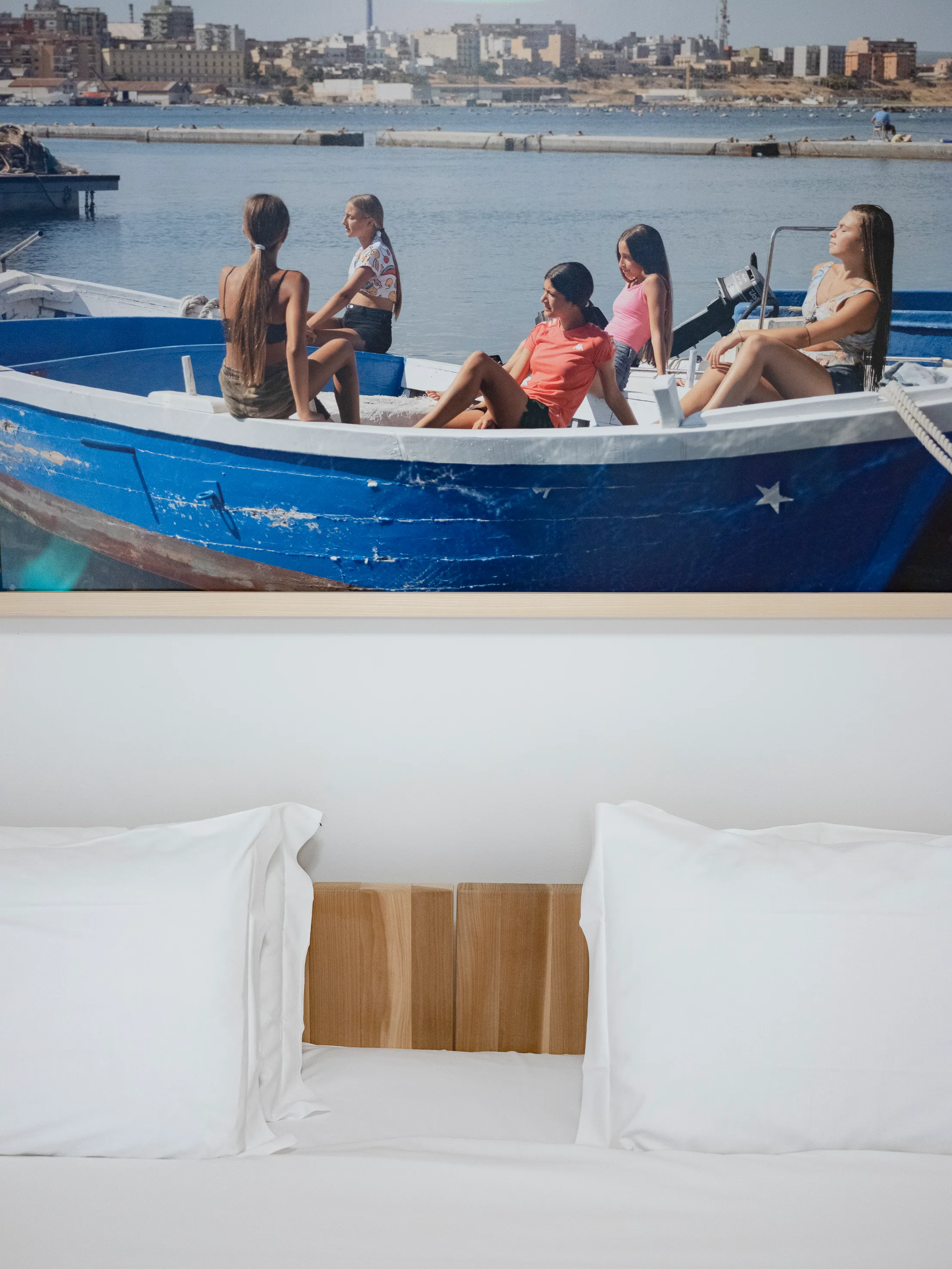
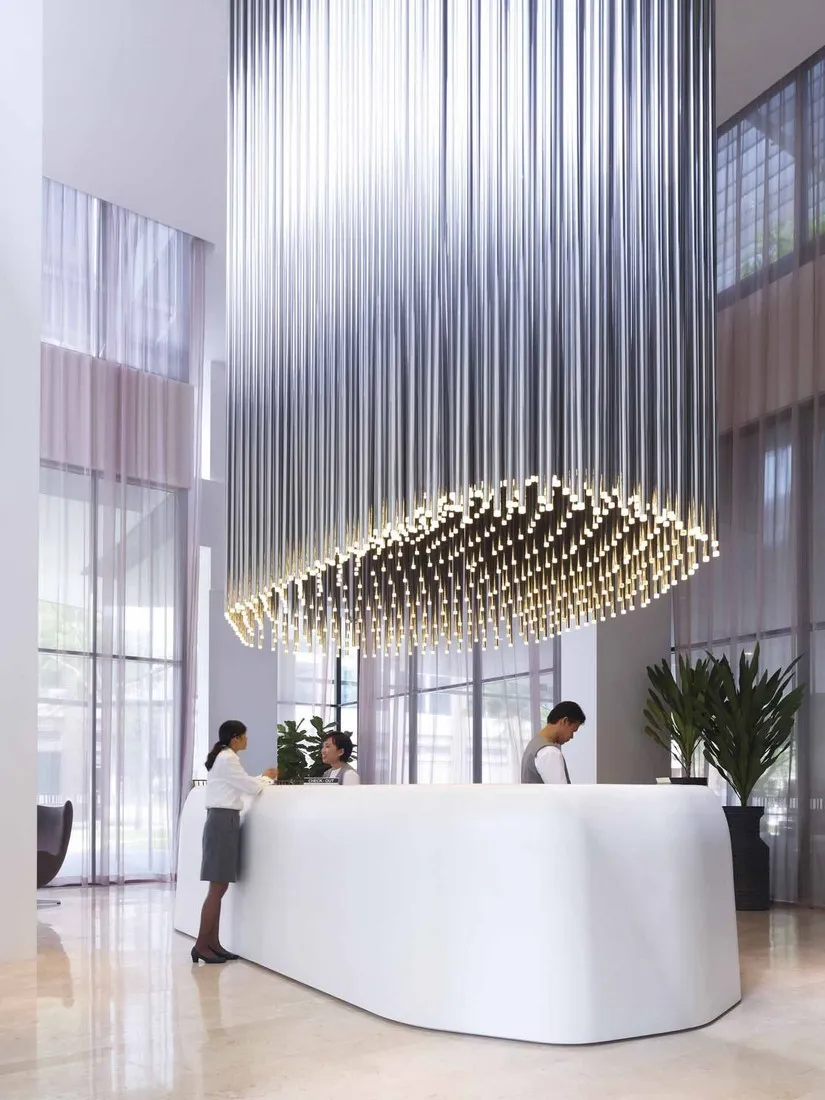
Picture the last genuinely beautiful hotel you stayed in. The ceiling. The materials. The quality of light at a particular time of day. The way the bath was drawn or the menu was presented or the view arranged itself outside the window. These things stay. They become part of how you remember the trip, sometimes the whole year.
Now try to recall the brand. Not the property name, which you might get to eventually, but the brand. What it stood for. What it was trying to communicate beyond the room itself. What it said about the kind of person who belongs there and why you were that person.
For most stays, even extraordinary ones, this second layer does not exist. The space delivered an experience. The brand delivered nothing, because functionally, there was no brand to deliver.
This is the $50M lobby problem. Not a construction problem. Not a design problem. A sequencing problem, and the hospitality industry has been living inside it for decades.
Where the Budget Goes
Building a luxury hotel costs over a million dollars per key on average in the United States, according to the HVS U.S. Hotel Development Cost Survey 2025, with some developments exceeding two million per key. A meaningful portion of that goes directly into the physical experience: FF&E budgets for five-star properties run to $35,000 per room or beyond, lobby and public space renovation alone costs anywhere from $50,000 to $300,000 depending on scale and ambition, and the hospitality design industry as a whole continues to attract some of the most serious creative talent working today.
The brand budget, meanwhile, is typically buried in a pre-opening marketing line item. Often less than three percent of revenue, according to STR data. Sometimes far less. Brand strategy, if it appears at all, arrives late, briefed after the design is done, positioned as the narrative layer on top of a physical product whose identity was shaped entirely without it.
The ratio tells you something worth sitting with. A property might invest tens of millions in what the guest sees and feels inside four walls. Then spend a fraction of that deciding what any of it means.
The Sequence That Creates the Gap
Hotel development is organized around the asset. The architect comes in first. The interior designer follows. These are the people shaping the decisions that matter most: what the space feels like, what it communicates about its own values, what kind of guest it is implicitly inviting in.
Brand strategy, when it arrives at all, enters this conversation too late to shape it. By the time a creative studio is briefed, the physical language is already fixed. The materials are specified. The atmosphere has been established. The emotional register of the place has been set by a team that was not briefed on brand, because nobody had written the brief yet.
What follows is a brand exercise, not brand strategy. The job becomes translation rather than authorship: figuring out how to narrate a story that was written by other people, in a different language, for a different purpose. The gap between the space and the brand is not a failure of execution. It is a structural outcome of a process that never asked the right questions at the right time.
What Guests Actually Encode
A guest who stays in a beautifully designed property leaves with a memory of place. The light, the particular quality of the service, the sound of the space at night. This is powerful, but it is not brand loyalty.
Brand loyalty requires that the experience be organized around an idea that the guest can carry out the door and locate again. It requires a point of view consistent enough that the guest can tell someone else not just where they stayed, but why they would go back, and what going back would mean about them. That level of coherence does not emerge from a beautiful interior alone. It has to be built, and it has to be built before the first stone is laid.
The hotels that generate real loyalty, the ones with return rates that justify their pricing and communities of guests who self-identify around the experience, are properties where the physical environment and the brand were conceived together. Not sequentially. Together. The design team was briefed on the brand idea. The brand idea was informed by the design direction. The two are inseparable in the final product, which is why the guest cannot separate them either. They just feel the coherence, and they come back.
The Cost of Getting It Wrong
Repositioning a hotel brand after the property has opened is not impossible. It is just expensive in a way that most operators underestimate. By the time a problem is visible in occupancy data or review patterns, years of brand equity have already been mis-accumulated. The audience that found the property is not necessarily the right audience. The pricing that was set does not reflect the brand's actual value. The staff culture that formed did so without a clear brand north star to organize around.
Starting over is harder than starting right. And starting right means treating brand strategy as a foundational investment, not a communications afterthought.
The space will be remembered. That much is almost guaranteed if the design is good. The question is whether being remembered is enough, or whether you want guests to know exactly who remembered them, and why coming back to that specific brand would be worth it.
One of those is interior design. The other is a business.
How CreativeCo Works With Hospitality Brands
We come in before the design decisions are made. Brand strategy, verbal identity, visual positioning, and guest journey frameworks built early enough to actually shape the product, not just describe it. We work with boutique hotel owners, independent operators, and hospitality developers across the US, UAE, and the Middle East.
If you are in the planning stages of a new property or repositioning an existing one, let's talk.

Elisabetta Fanelli
CEO & Founder, CreativeCo.
7 min Read